“And when the fog’s over and the stars and the moon come out at night it’ll be a beautiful sight.”
— Jack Kerouac, Big Sur
Big Sur is one of the most rewarding destinations for landscape photography in the United States. Along roughly 90 miles of California’s Highway 1, the Santa Lucia Mountains plunge straight into the Pacific, creating a coastline of sheer cliffs, hidden coves, redwood canyons and waterfalls that fall onto the sand.
What makes Big Sur special for photographers is how quickly the scene changes. Fog can roll in and erase the horizon within minutes, then lift to reveal golden light on the headlands. A single day can give you moody seascapes at dawn, dramatic bridges at midday and a sky full of stars after dark. If you love landscape photography, Big Sur belongs at the top of your list.
Best Big Sur Photo Spots Along Highway 1
These are the classic locations, listed roughly north to south. Each rewards a different kind of light, so plan your stops around the time of day.
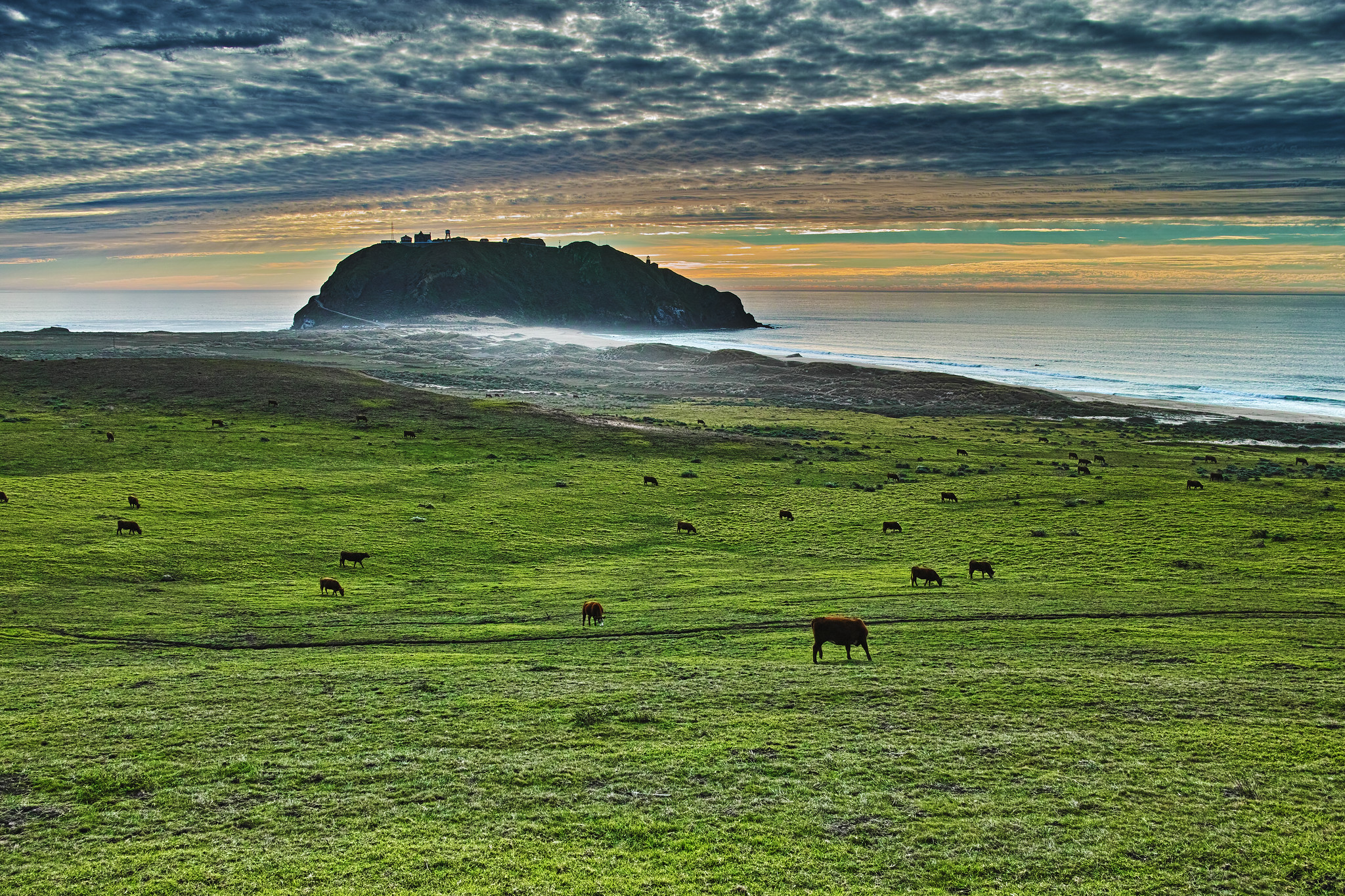
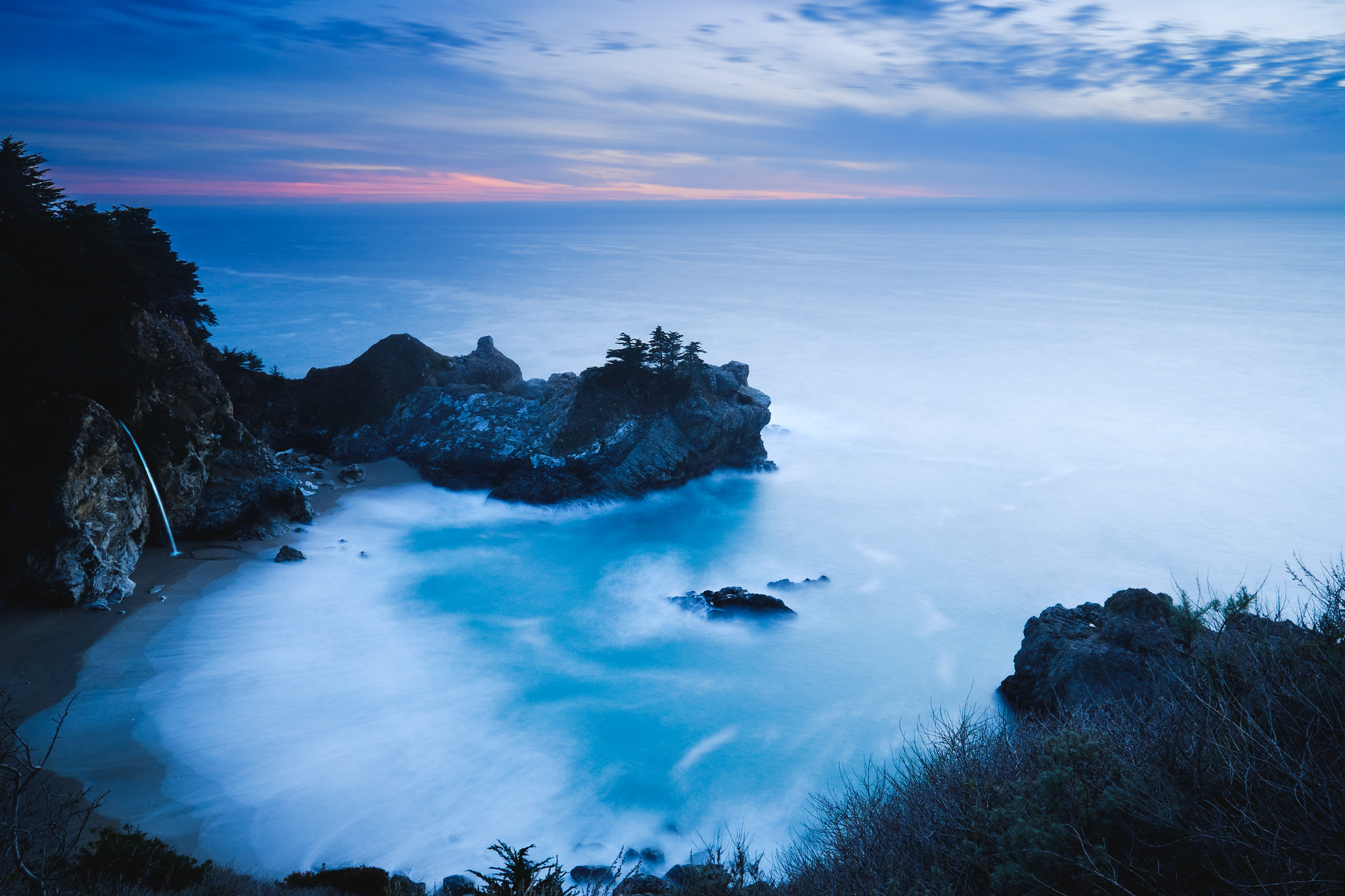
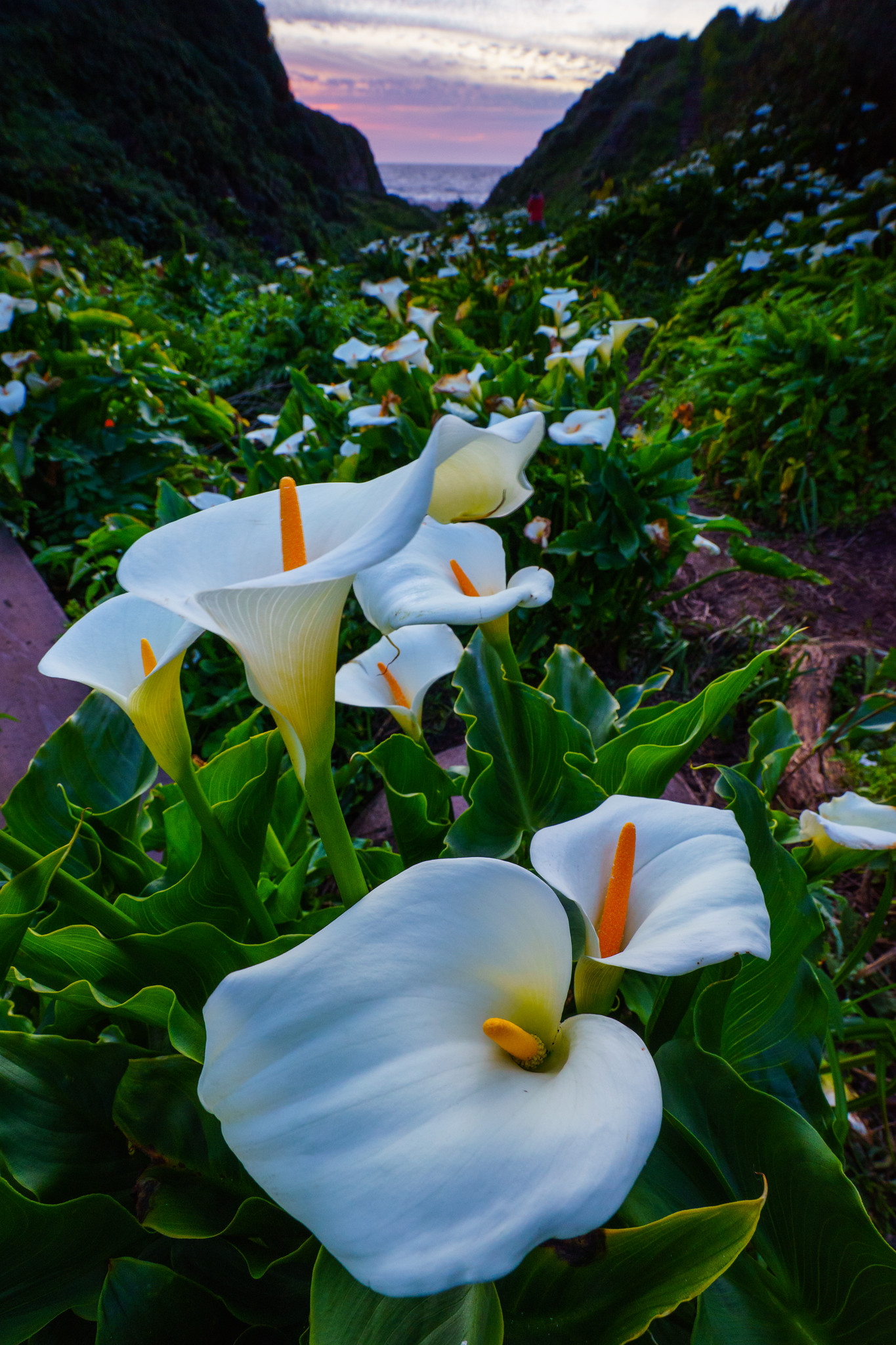
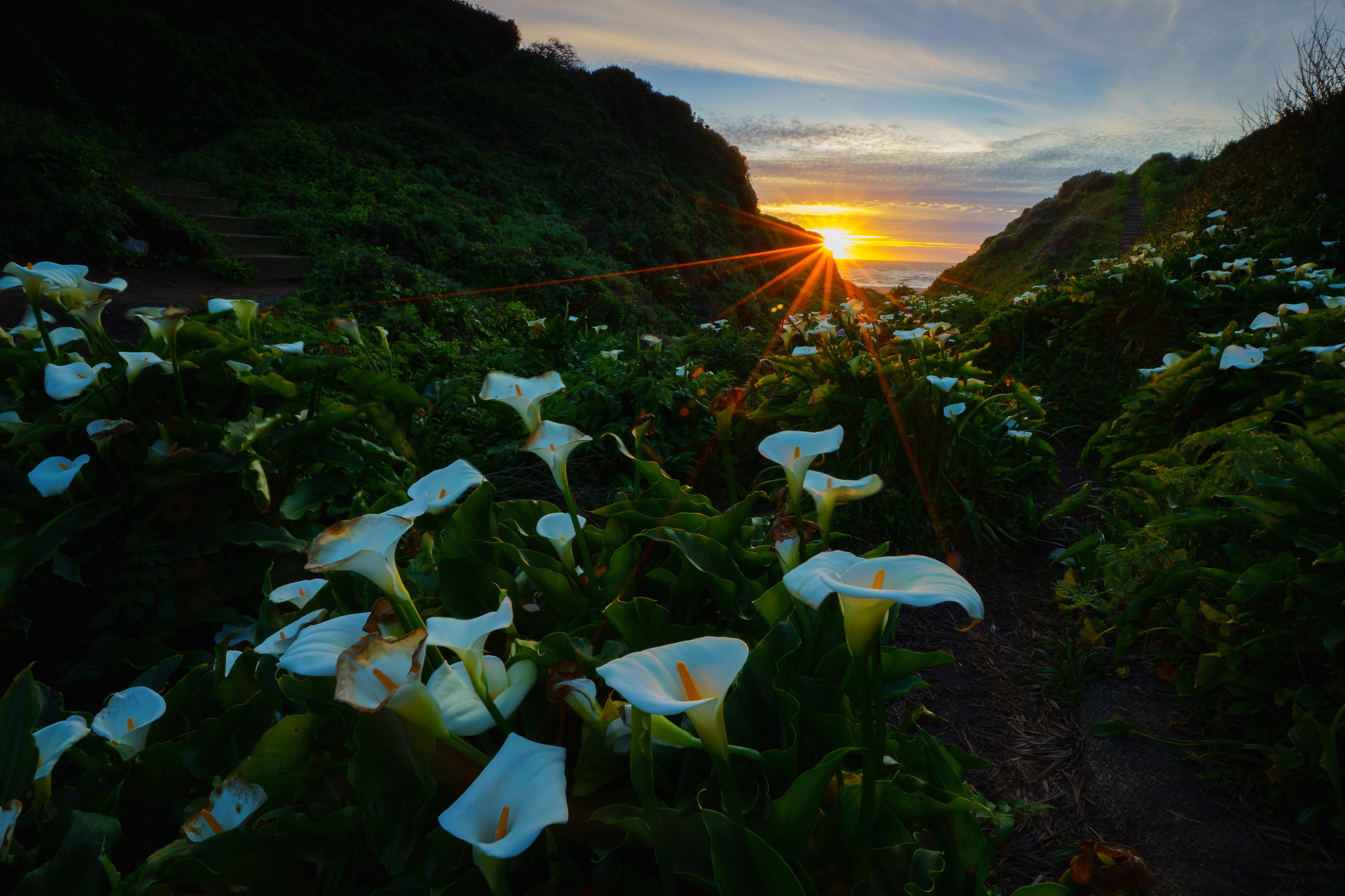
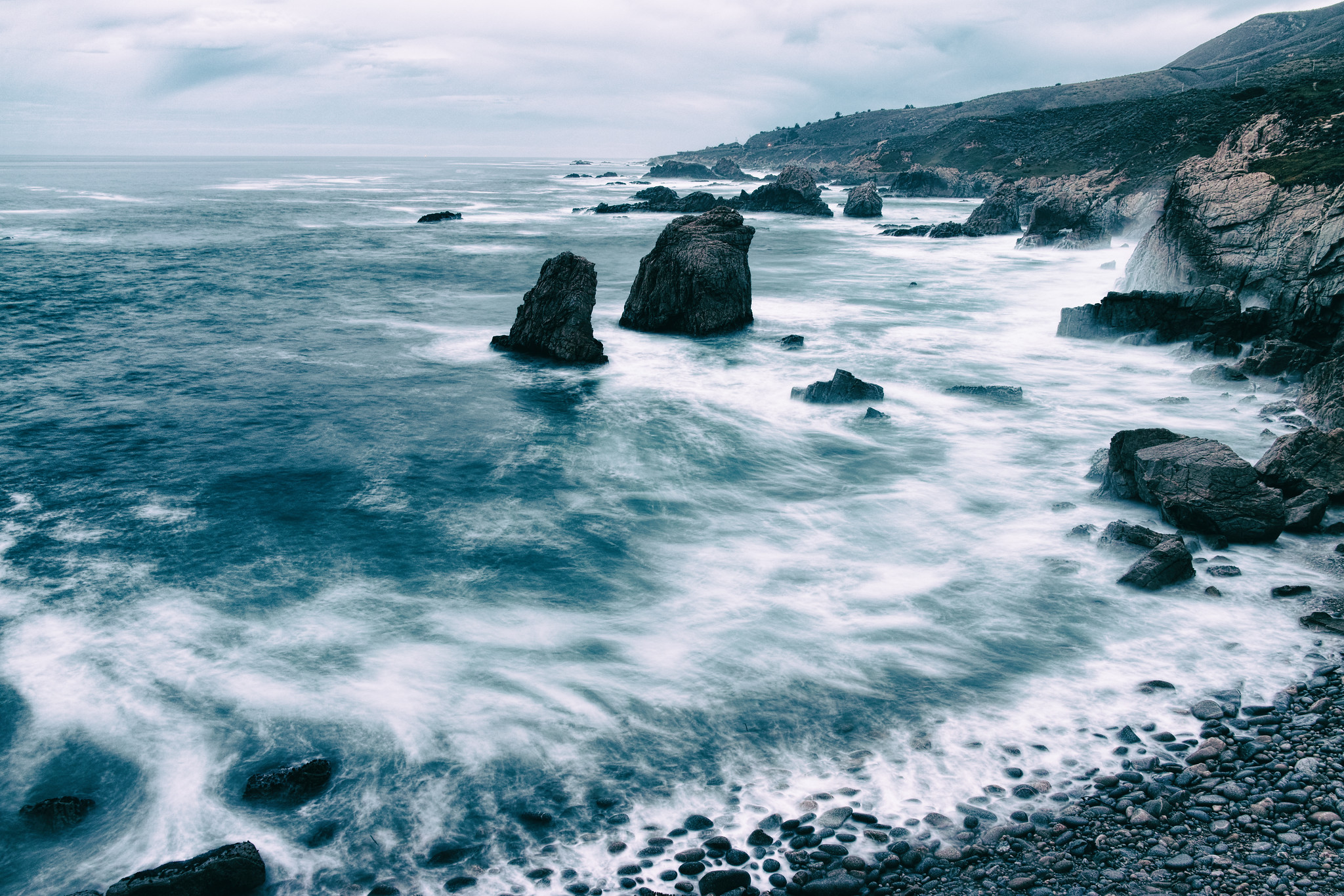
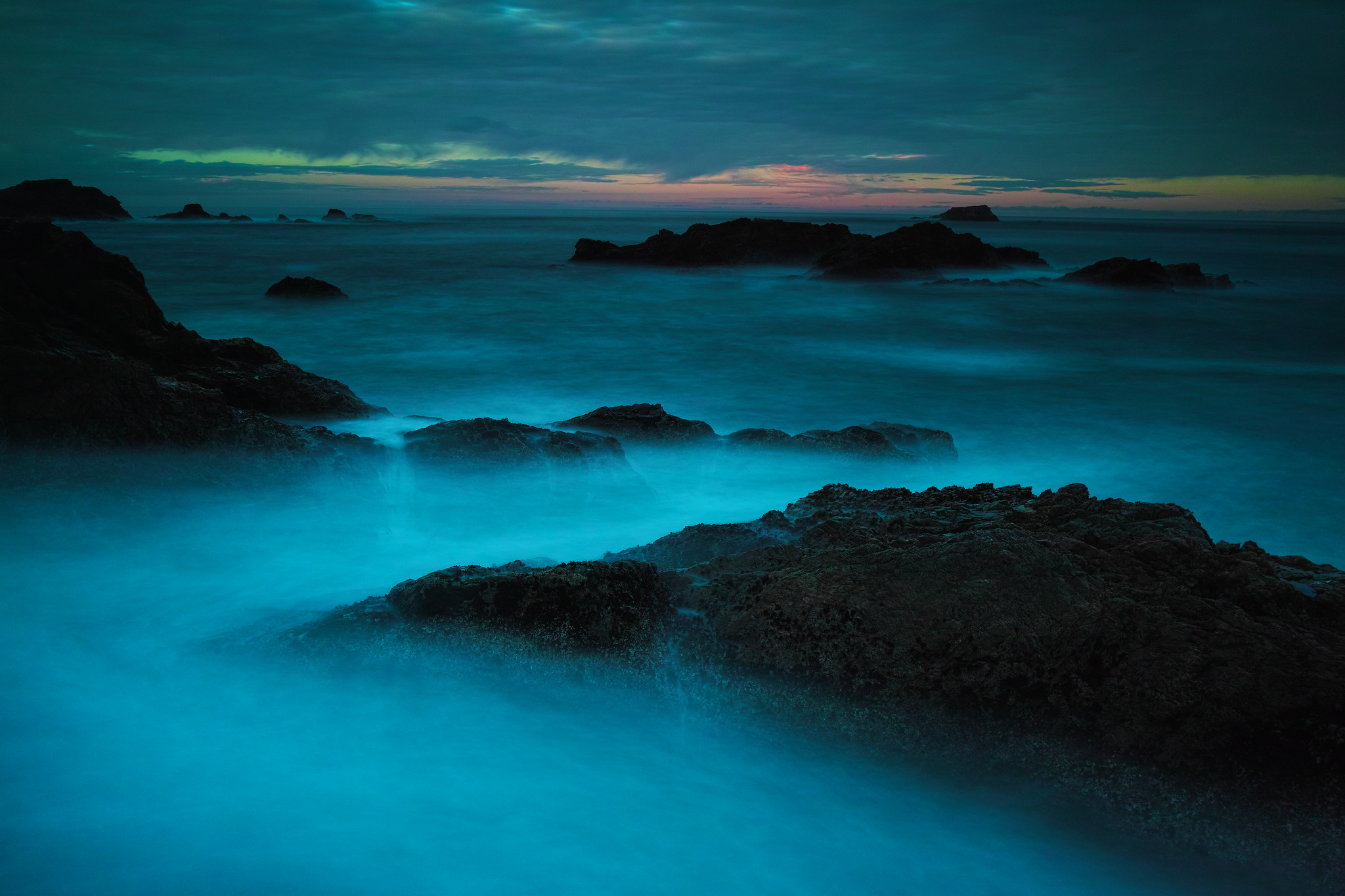
Here is a list of places worth to visit:
- Morro Bay Big Sur, Location: 35.3862, -120.8639
- From Plains to the Mountains, Location: 35.7300, -121.3144
- McWay Falls, Location: 36.15775, -121.67209
- Pfeiffer Beach, Location: 36.23815, -121.81489
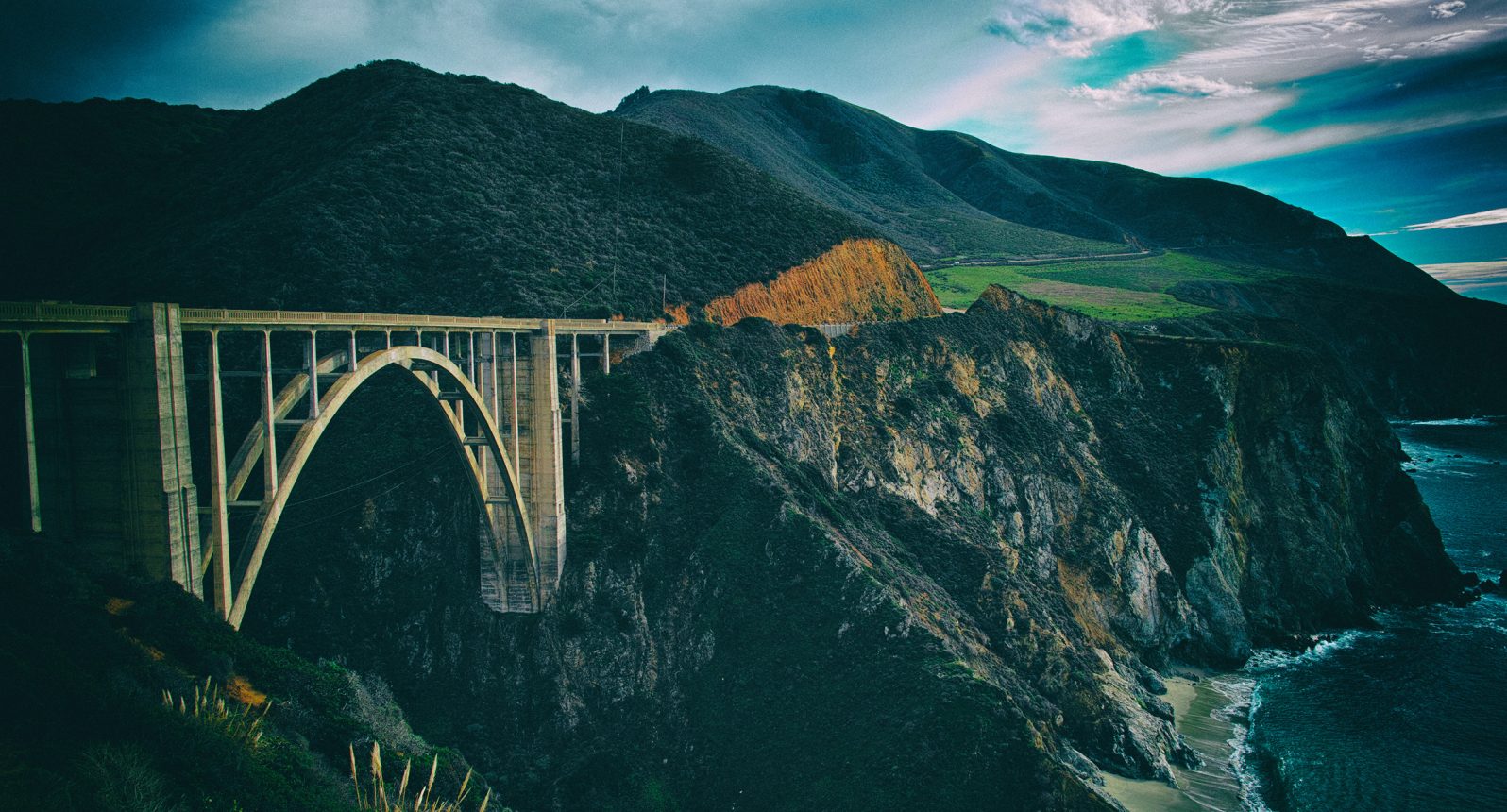
- Bixy Bridge, Location: 36.35747, -121.90265
- Garappata State Park, Location: 36.45381, -121.92597
- Point Lobos State Park, Location: 36.52185, -121.95099
- Calla Lily Valley, Location
Fog, Seasons and Light: When to Photograph Big Sur
Fog is Big Sur’s signature, and learning to work with it is the key to great images. In summer, a thick marine layer often hugs the coast in the morning. Drive up to a higher pullout and you may find yourself above the clouds, looking down on a sea of fog with ridgelines rising through it.
Each season offers something different:
- Spring brings green hills, wildflowers on the coastal bluffs and waterfalls at their fullest.
- Summer is fog season, perfect for moody, minimalist compositions but less reliable for clear sunsets.
- Fall often has the clearest skies and calmest weather, with fewer visitors after Labor Day.
- Winter offers dramatic storm light, big surf and the famous sunset through Keyhole Arch at Pfeiffer Beach.
Whatever the season, the best light is in the first and last hour of the day. The coast faces west, so sunset is usually the stronger session for seascapes.
After Dark: Stars, Moon and the Milky Way
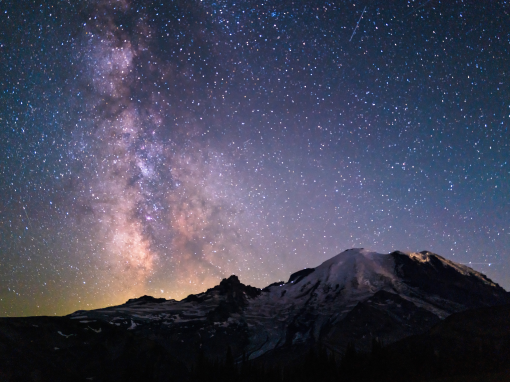
Kerouac was right: when the fog clears, Big Sur’s night sky is unforgettable. With few towns along the coast, the darkness is deep enough for star-filled frames above the cliffs and sea stacks.
For the Milky Way, plan your trip around a new moon between spring and early fall, when the galactic core rises above the horizon. On nights near a full moon, use the moonlight instead to light the coastline and the surf, creating soft, dreamlike exposures. A wide, fast lens, a sturdy tripod and a red headlamp are essentials, and always scout your location in daylight before returning at night.
Practical Tips for Photographing Big Sur
- Pack a range of lenses. A wide-angle lens captures the sweeping coastline, while a telephoto (70–200mm or longer) isolates layered ridges, sea stacks and the lighthouse.
- Bring ND and polarizing filters. An ND filter smooths waves into mist on long exposures; a polarizer cuts glare on the water and deepens the blue of the Pacific.
- Check road conditions first. Landslides sometimes close sections of Highway 1, so check Caltrans before you go.
- Plan for no signal. Cell coverage is spotty for long stretches. Download offline maps and save your locations in advance.
- Use pullouts safely. Park fully off the road, watch for traffic and stay behind fences on crumbling cliff edges.
- Arrive early. Popular spots like Bixby Bridge and McWay Falls fill up fast, especially on weekends and at sunset.